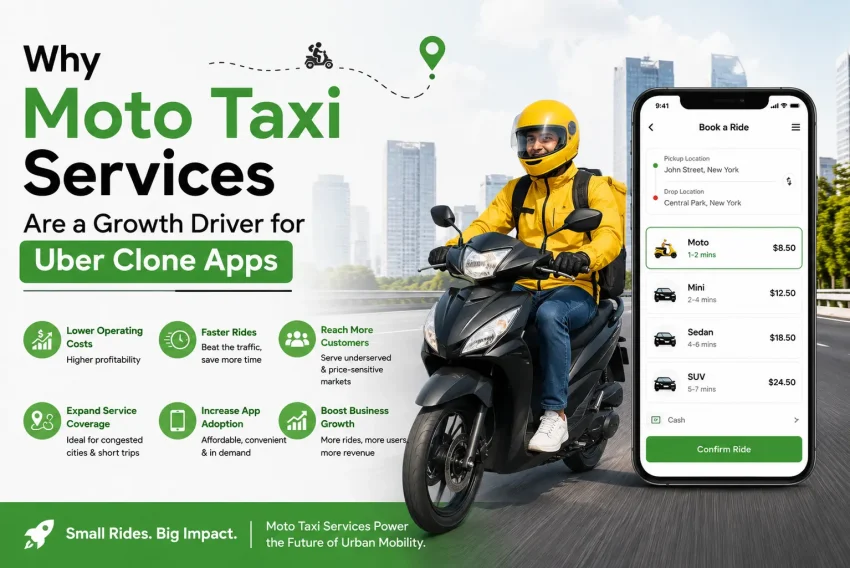
A sedan taxi, because of its size, brings comfort, but it won’t be the right vehicle in super tight traffic.
In fact, any four-wheel option can never be faster than a bike taxi going through the gaps between the cars, taking the rider who doesn’t have a problem with smart driving and just wants to reach their location as fast as possible.
A car being stuck in traffic and a bike being the better alternative for booking during peak hours happens every single day globally millions of times, a real and valuable need that old taxi cabs are not able to serve.
Most two-wheeler companies’ entire business model has been made to meet this market gap and make profits by offering faster moto bikes in their app.
Why? Well, simply because for short distances, a taxi doesn’t always have to be a car. 52% of urban trips globally are shorter than 5 km, a distance range where two-wheel mobility often outperforms cars on time and convenience.
This insight is a very human thing to understand and exactly what makes moto booking one of the most important service categories available in Uber clone apps.
Where Cars Fall Short and Bikes Win
City roads are basically dealing with two things: speed and access.
Cars are great for going fast on highways, but in crowded city streets with narrow lanes, a car’s big size is actually a huge disadvantage.
Cheaper prices also mean non-stop bookings.
When you offer a bike ride at a price people can actually afford daily, it becomes a habit. A guy booking a cheap bike twice a day is actually worth more to your platform over time than someone booking a car just twice a week.
Then there’s the daily struggle of getting from your house to the actual metro station or main road.
Everyone talks about the final drop-off, but this “first-mile” trip is a huge missed opportunity. Bike taxis fit this perfectly.
Between 2026 and 2033, the market experts expect the market to reach 13.4% of the global bike taxi market mainly because of the demand for faster last-mile journeys.
If someone uses your app to reach the station in the morning and again to get home at night, that’s multiple bookings daily from just one person.
And let’s be real, city traffic is never getting fixed. Bikes being able to cut through the mess is a permanent advantage, not a temporary one. Building a ride-hailing business around this fact means you’re targeting a market that only gets more profitable as cities get more packed.
So how do you manage all this?
You don’t even have to build a separate app for it. Good Uber clone scripts handle moto booking perfectly right out of the box. Cars, bikes, whatever you want – all handled by one app, one driver app, and one admin panel.
Running both together is simple, barely adds any extra work, and completely changes how much you can earn.
Why Moto Booking is Best for Tier-2 and Tier-3 Cities
First off, you don’t have to teach people how to use a bike taxi.
They already do it every single day. You aren’t trying to force a brand new habit on anyone. You’re just taking a street-level reality and making it easier to book on a phone. Because of that, people will start using your app so much faster.
Second, bikes are the ultimate hook to get people to download your app.
If you offer cheap bike rides, you instantly stand out from the guys only offering cars.
Think about how this actually plays out. A rider downloads your app because they need a cheap, fast bike for their daily office commute. But when the weekend comes and they need a comfortable car for their family? They’re going to use your app for that, too.
The bikes get them to install the app, and having both options keeps them around for good. Also, the rules around bike taxis in most high-demand cities are still pretty flexible.
Getting your business in early means you can establish your brand before the local laws get too strict.
So, don’t wait a year to add bikes as some kind of afterthought.
Do it right from the start.
A good Uber clone makes this incredibly simple. You can set up your bike fares, service zones, and driver rules before you even go live. That way, the second a rider opens your app for the first time, your bikes are ready to roll.
In heavily city places, motorcycles can complete journeys up to four times faster than cars during peak traffic periods.
Final Thoughts
Look, the regular taxi industry is not going anywhere. Cars because of their size and comfort are still the right vehicle for a lot of trips and running a taxi booking app built on a solid Uber clone is a great business in almost every city.
But a daily commuter making a five-minute trip to catch a train two kilometers away doesn’t want a cab. They just want the absolute fastest and cheapest way to cover a short distance without any headache.
Today, entrepreneurs launching a ride-sharing app can easily get ready-made White Label Uber Clone tech from providers who sell highly advanced and licensed source codes.
These white label providers make it super easy to offer both car and bike rides from just one single app. The market demand is real and happening every day. The tech is completely ready. You just need to capture this market gap that old taxi fleets keep missing.
FAQs
1. Can an Uber clone app support both taxi and moto booking at the same time?
Yes, it can. A modern Uber clone app lets you offer multiple vehicle types like cars, bikes, auto-rickshaws and more, all from just one app. The rider just picks what they want and the driver is registered under that exact category.
2. Is moto taxi booking suitable for all city types, or only specific markets?
It works best in highly crowded cities globally where traffic is super tight and people need to take short trips. If you live in a place that has less crowds or freezing weather, the demand might just be seasonal.
3. Does adding moto booking complicate the taxi app development process?
Not really. If you get a good Uber clone script from experienced white-label companies, they already have this built into their system. You basically just configure it instead of doing new development work, so your launch time and costs stay perfectly normal.
4. How does moto booking affect the affordability profile of a ride-sharing app?
It brings your starting prices way down. This brings in a lot of riders who are looking for cheaper options and they end up booking rides way more often. So even if you make less profit on a single bike trip, your daily transaction count goes up massively.
5. Should moto booking be positioned as competing with taxis within the same app?
No. They actually help each other out. Moto booking grabs all those short, fast, cheap trips that cars are just not right for. Taxis take care of the longer trips, families, or when people have luggage. Having both in a single taxi booking platform just gives the rider a complete transportation option.