Introduction: Oil and Its Effect on the World
Oil is the main ingredient in everything that we see. It is the fuel for the cars that we drive, the vehicles that transport goods over highways as well as the generators that run construction sites and the vessels that travel along the coastline. The US alone consumes around 20 million barrels each day which makes it the biggest oil-consuming nation in the world.
Here’s the thing that the majority of people do not consider. The process of getting fuel to the end user is a gruellingly old-fashioned procedure. Gas stations are where drivers go to fill up. Fleets take vehicles off of the way to refill their tanks. Contractors await big deliveries, but they have no way of knowing when the truck will turn up.
The whole system was designed to be used in a world prior to smartphones. And the gap between the way fuel is currently delivered and the way people want to receive services in the near future is exactly where the potential exists.
What a Fuel Delivery App Looks Like
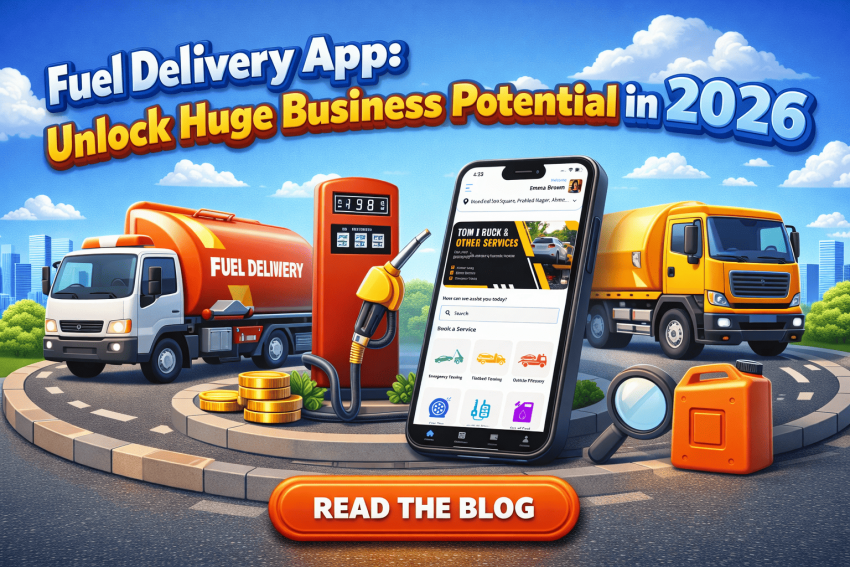
An app for fuel delivery fuel delivery app works a similar to a food delivery application and, instead of sending pizza to your doorstep it provides fuel to your vehicle or generator, as well as you’re the fleet vehicle.
This is the fundamental flow. The user launches the app and then places an order for fuel. They input their address as well as the type of fuel they require, and the amount they’d like to pay. A driver who is certified to deliver takes the order and then loads the fuel into the tanker truck that is specially designed that drives to the user’s address, and injects direct into the tank at the site.
The rider is not required to go out. The fleet manager doesn’t have to redirect vehicles. The construction team never has to pause work to look for a gas station.
From the administration part, this platform offers users a complete dashboard. It allows you to view current delivery times, monitor drivers as well as track orders, process payments, and track the fuel inventory. Everything is in one place.
The most modern fuel delivery applications also have options like scheduled deliveries, price changes, digital receipts and a chat with customer service. The user experience is simple quick and efficient, and is designed for those who are comfortable ordering everything via their phones.
Why a Fuel Delivery App Development Is a Smart Investment Today
The market for fuel delivery on demand isn’t a fringe idea any more. It’s a growing business with actual figures to back it. The worldwide on-demand fuel delivery market was valued at nearly $5 billion in the past and is projected to expand at a steady pace for the remainder of this decade.
In the US there are many reasons for this rapid expansion right now.
First of all, the fleet industry is enormous. There are more than 6,500,000 commercial vehicle in operation across the nation. Fleet managers are always seeking ways to reduce time and lower operational costs. A fuel delivery app does both.
In addition, consumers living in cities such as Los Angeles, Houston, Dallas and Chicago are used to online services for food grocery shopping, laundry, and other items. Expanding that service to fuel isn’t an easy sell.
Thirdly, agricultural and construction industries operate on diesel. These industries operate in regions away from gas stations and they use up fuel quickly. A mobile app that delivers diesel to a construction site or farm will save significant time and cash.
Fourth, the cost of entering this market is quite low when compared to the potential returns. There is no need to construct a gas station. You will require an app and the delivery vehicle fleet as well as a sophisticated operating system.
The timing is perfect. The market is expanding. Many cities in America do not have locally-based fuel delivery services.
How Does It Help Users?
The benefits for the user are simple, and it is the reason why this business model so effective. If a product truly makes people’s lives simpler, they will come back time and time.
For drivers who are just getting by it’s all about ease of use. It’s not a great idea to stop at a station for gas in the cold morning prior to work or after a long work day, An app for fuel delivery app lets them set up a time to fill up when their car is in their driveway at home or at the office. When they wake up, they have an empty tank, and do nothing.
For fleet managers this value is greater, If a fleet vehicle needs to make a detour to get to a fuel station, it is wasting time. Add that up over hundreds of working hours, and the expense adds quickly. An app for fuel delivery fuel delivery app brings fuel directly to the work site or depot to keep drivers on the right track and ensuring that the operation is running effectively.
For construction firms and agricultural firms, the benefits are accessibility. The job site that is remote typically has no fuel station close by. The regular delivery of diesel means that the equipment continues to run without having to handle it by hand.
For every type of user, there is also the security angle. A car driven with a tank empty is a serious danger. Apps that notify you of low fuel or allow users to set automatic refill limits eliminate the risk completely.
How Do You Make Money With a Fuel Delivery App?
It’s where the story becomes exciting for entrepreneurs. The fuel delivery app has multiple income streams built into its design.
The simplest and most effective method is through an increase in fuel prices. You purchase fuel wholesale or at bulk prices and then deliver it for the same price, but slightly more per gallon. Customers pay for convenience of the fuel, and the difference between the cost you pay and the price of delivery is your revenue.
The other model is a delivery charge. You can charge a flat rate or a distance-based charge per delivery that is added to the cost of fuel in the market. This is clear and transparent. It is also easy for customers to grasp.
Subscription plans are the third most lucrative revenue stream. Fleet operators and companies that require regular deliveries are the ideal customers. You can offer a monthly plan that comes with certain delivery times Priority service, tiny discounts to exchange periodic payments. This provides you with a regular monthly income.
Corporate contracts offer a huge possibility. Large construction companies as well as logistics firms, agricultural operations and companies that manage events all require a constant fuel supply. A contract that covers a small fleet can bring in hundreds of thousands of dollars of revenue each month.
In the end, data and report options for business clients provide an extra level of value to your product. Fleet managers love data. Provide fuel consumption reports as well as cost analysis and delivery history on the form of a premium dashboard for paid users and you’ll have an added value service that warrants an increase in price.
This combination create fuel delivery app one of the most financially sound businesses that you can create in the present.
Conclusion: The Fuel Delivery App Opportunity Is Wide Open
Oil won’t be going anywhere. The demand for fuel in the US remains as constant as it has ever been. However, the way that people expect to receive their fuel is evolving and the conventional gasoline station model has not been constructed to meet these demands.
An fuel delivery app solves a issue that millions of drivers as well as fleet managers and businesses face each day. It’s convenient for customers and profitable for the operators and it is available in the majority of American cities. If you’re looking for a business in the middle of daily demands, the latest technology, and an untapped sector, you’ve found the place. The time for on-demand fuel delivery is currently open and the business owners who are first to take action will control this market within their city.